
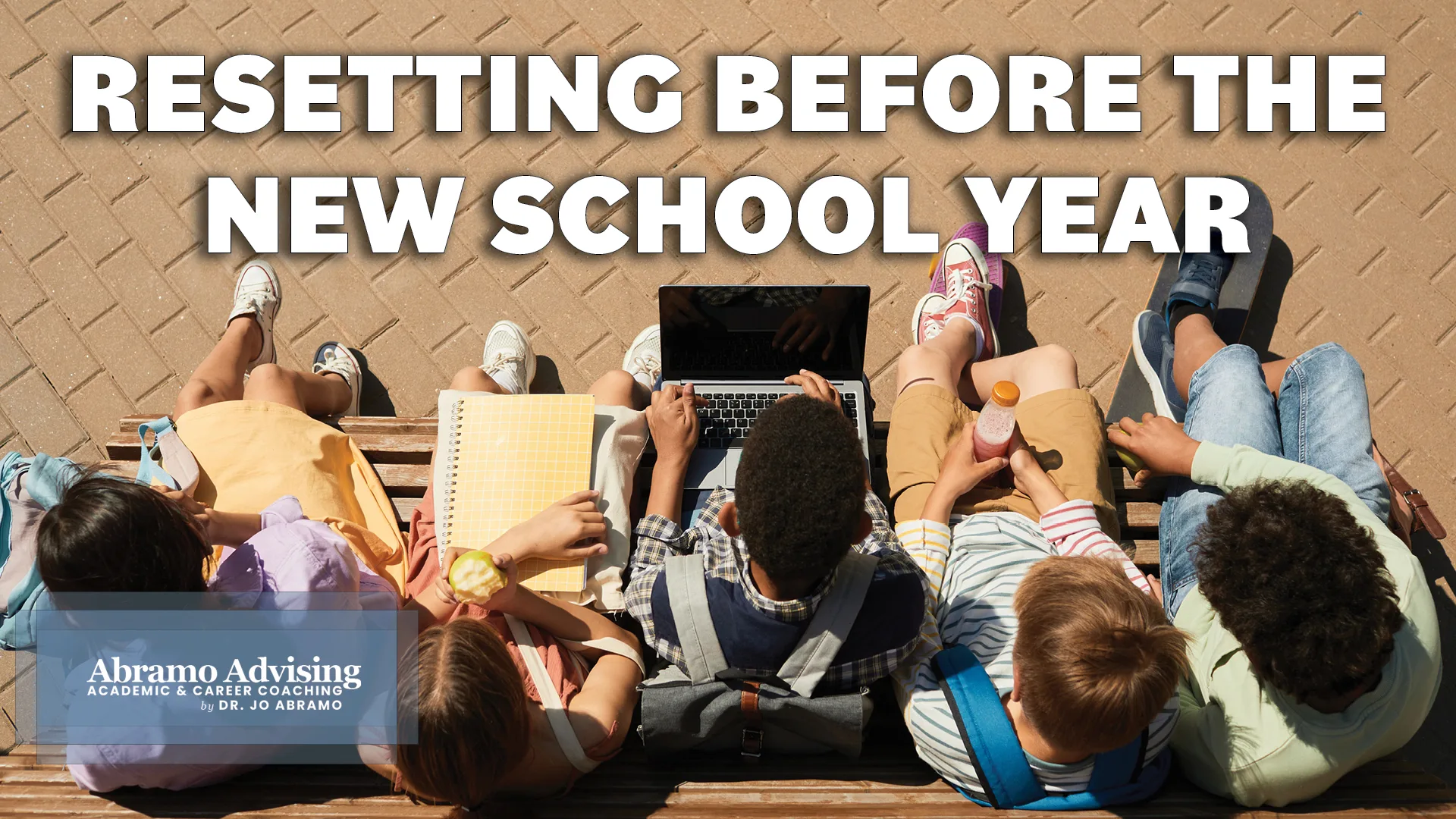
The excitement of summer will soon give way to the start of a new academic year. The summer slide, when children regress during the unstructured summer break, can have a big impact, particularly for neurodivergent students. Getting back into a routine can be a real challenge for some children and teens.
Children and teens with ADHD, and other special needs, struggle with transitions. Big life changes like starting school, whether at a new institution or simply a new grade level, can create a lot of instability. The unknown is scary. It causes anxiety and stress. This added burden can overwhelm children who already struggle with regulating their emotions. That's why it's so important to prepare them for the new year before the first day of class.
Unstructured summers pose many challenges for all children, and this is especially true for children and teens with ADHD. The routines of the school year and the day-to-day schedule is a familiar sensation. Summer break disrupts that routine. Whether you send your children to day camp or keep them at home, the routines they are accustomed to have changed. Throw in a family vacation or even weekend road trip, and suddenly the whole world that they have come to expect and anticipate changes.
These changes can contribute to anxiety, depression, and over stimulation. Maybe you have noticed some extra inappropriate behavior or bigger than usual meltdowns? Many neurodivergent children already struggle with emotional regulation, and outbursts in summer may be worse as they face unexpected challenges. Preparing them for the transition back to school can help avoid those meltdowns that come with the new academic year.
If you haven't established a daily routine, today is a great time to start. If kids have started out in summer camps, don't break their routine in the gap weeks between the end of camp and start of school. Get them up at their usual time, and have activities planned to keep them on a schedule.
School schedules are very different than the summer months and transitioning children and teens before the start of the year will help prepare them. Waking up and going to bed at set times creates structure. Feeding children snacks and meals at the same, regular intervals as camp and school can also help maintain their routines. If summer childcare has a different wake up time or lunch hour than their school, slowly shift the schedule to match. School days begin early and serve lunch early, and it may not fit your plans. But by mirroring the sleeping and eating schedules at home with the schedules they will face during the school year, you can help them ease back into that structure.
Have activities planned and enforce time limits. Whether it's free play time, reading, or arts and crafts, these kinds of activities can mimic their grade-appropriate activities. When they begin the school year, they will have limited time for each activity. Practice those transitions to help prepare them for the school year.
Exercise can help manage big emotions. Luckily, summer time can mean lots of great outdoor activities. For younger children, keeping them active at local playgrounds can help manage their strong feelings. Older children and teens may have organized sports, or other recreational athletic activities like riding bikes or just throwing a basketball at a neighborhood court. Exercise is key to helping them maintain control.
Recreational activities can also include family time. Plan a walk through a local park or forest, or head to a beach or community pool. Any of these outdoor activities can help children who feel impulses to move their bodies.
And don't forget to schedule these into their routines as well. Have recreational exercise built into their regular routines, just like they will have at recess and physical education classes during the school year.
The summer slide is real. Children and teens fall out of practice when they are not engaged every day, and this decline includes both school curriculum and the executive function skills children struggle to build. Skills like time management, organization, planning, and prioritizing will fall out of use in the same way kids can forget their state capitals and the process of cell division.
Children should practice their executive function skills just like they need to practice reading and multiplication tables. Create opportunities for children to plan out chores, practice making schedules, and prioritizing what they need to accomplish. Help them break up large tasks into smaller ones. These goal-oriented tasks can be as simple as cleaning their room. Help them understand each individual chore. Assist in getting them started by putting away one toy or one piece of clothing, and have them mirror you. Many neurodivergent individuals find motivation in observing a body double.
Students with ADHD, or those who struggle with their executive functions, can benefit from traditional academic practice too. Having construction paper, notebooks, and worksheets available is a great first step. Incorporate these tasks into their regular routine can also serve as practice for returning to the routines of school.
Children who struggle in a classroom setting may benefit from more interactive learning experiences. Local programming at the library, museum, and nature centers can provide academic stimulation without the rigidity of a classroom. Many programs are offered free of charge by nonprofits or government organizations, and creates opportunities for children to practice their executive function skills.
Public events, like school, have set starting times. For instance, a child who wants to visit a library for a LEGO building party will need to practice time management and planning executive function skills or risk missing out.
Activities can be incorporated into structured routines by only attending events that take place during similar times. Avoid disrupting the usual lunch and snack times, or have a plane to eat at the correct time to maintain regular schedules.
There's no denying starting school in the fall will cause challenges. New challenges, old challenges returning, challenges you never could anticipate. But providing support and structure over the summer can help make that transition easier. Creating routines can help parents too by setting clear expectations, and many of the tactics for supporting children with ADHD, or any special needs, can be fun for the whole family. Building executive function skills is a process that doesn't need to pause just because it's summer break, and practicing those skills will help set kids up for success in the fall.